Some Example Equations
Basic Math
\[y = mx+ b\]
Chemical
Equations in an align
Environment
\[\begin{align*} \ce{ O3} + h\nu \ce{&-> O2 + O(^1D) }\\ \ce{O(^1D) + O_2 + M &-> O3 + M}\\ \ce{O(^1D) + H2O &-> 2OH}\\ \end{align*}\]
Some Example Code
Julia
Python
What is analytical chemistry?
To an analytical chemist the process of making a useful measurement is critical; if the measurement is not of central importance to the work, then it is not analytical chemistry.
-David Harvey, Analtyical Chemistry 2.1
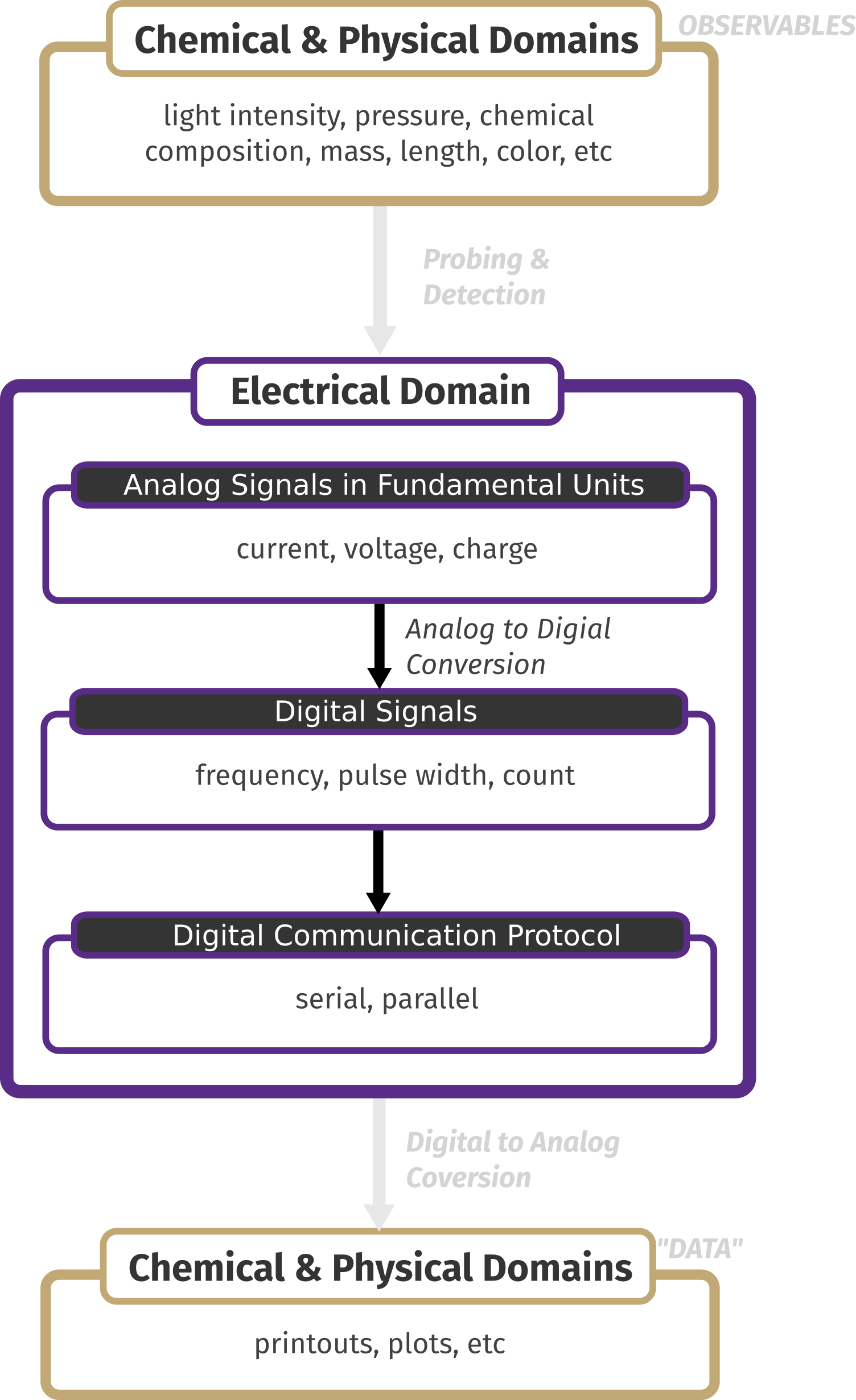
What is an `Instrument'?
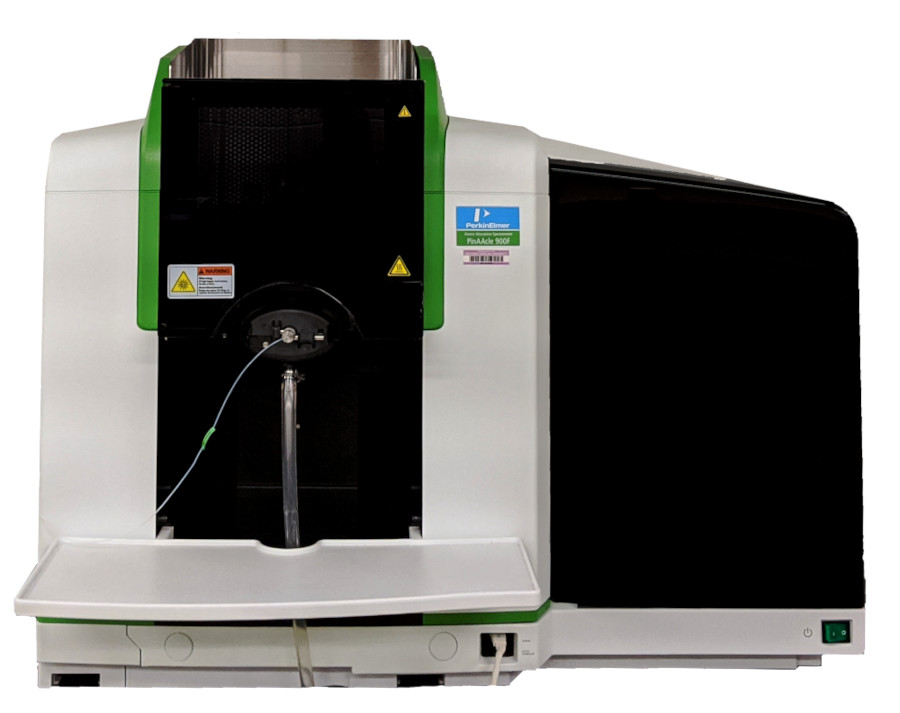
Information Flow
Course Content
- Topics covered
- Foundations: Quantitative analysis and statistical treatment of data
- Spectroscopy (Molecular and atomic)
- Mass Spectrometry
- Separations (Chromatography)
- Why are these techniques important?
- Data literacy / rigorous treatement of data / strong conclusions
- Techniques used in Forensics, Environmental analysis, Pharmaceutical / drug discovery / natural products, Geology / mining, Materials science, Biology / biochemistry, …
- We will focus on chemical analysis but will also work on some analytical chemistry problems.
A closing thought
As we introduce new techniques, it is important that you incorporate them into the context of the techniques with which you are already familiar.
-Granger et al, Instrumental Analysis